Ethernium: Complete Guide to Features, Utility & Tech
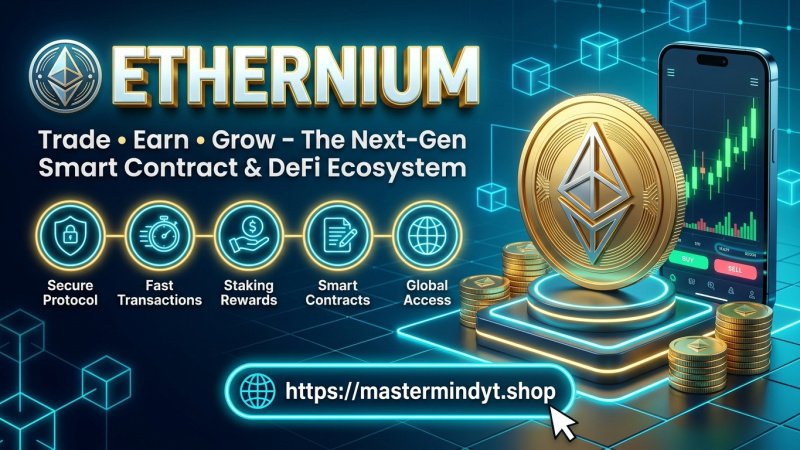
Understanding how decentralized networks operate is essential for anyone exploring digital asset ecosystems. Following the innovation of programmable blockchains like Ethereum, next-generation platforms continue redefining decentralized computation. In recent discussions across Web3 communities, ethernium has emerged as an exciting project designed to enhance transaction efficiency and smart contract capabilities. Specifically, this protocol integrates modular architecture with high-speed settlement layers to support scalable decentralized applications. Consequently, understanding its core fundamentals enables investors and developers to evaluate its potential with greater confidence.
As decentralized finance matures, market participants actively seek protocols prioritizing genuine utility and verifiability. For instance, platforms combining robust computational architecture with real-world application demonstrate strong community resilience. In addition, transparent token distribution models foster sustainable ecosystem growth. Therefore, exploring how this digital ecosystem functions provides valuable practical context for developers and investors evaluating contemporary blockchain design.
What Is Ethernium and How Does It Operate?
At its core, ethernium functions as a high-performance decentralized protocol built for seamless smart contract execution. The platform utilizes an advanced virtual machine environment that processes complex decentralized application instructions rapidly. For instance, optimized state transition algorithms allow validator nodes to execute simultaneous operations without computational bottlenecks. Therefore, participants experience consistently low latency during token swaps, liquidity provisioning, and automated contract interactions. As a result, the network delivers robust performance tailored for demanding decentralized applications.
In addition, the network architecture leverages distributed consensus mechanisms to confirm account balances. When users initiate a transfer, decentralized validator nodes verify digital signatures before adding new blocks to the ledger. Furthermore, this structured process prevents double-spending while preserving transaction immutability. Because of this robust foundation, the asset ensures reliable peer-to-peer value exchange across global networks. Ultimately, the underlying protocol establishes trust through mathematical certainty rather than institutional promises.
Also Read: WhiteX Explained: A Multichain Utility Token Overview
Core Features of Ethernium
Several distinct technical features set ethernium apart from conventional utility tokens in the digital market. First, the token architecture emphasizes deterministic processing functions that optimize network verification speeds. In particular, efficient computation algorithms allow validators to process records with minimal latency. Consequently, participants enjoy rapid confirmations during everyday network interactions.
Second, cryptographic transparency remains a cornerstone of the entire network infrastructure. Every verified block is openly viewable on public blockchain explorers. Thus, anyone can audit token supply metrics and transaction histories independently. Moreover, this transparent ledger architecture discourages malicious behavior and strengthens community trust over time.
Third, the asset incorporates adaptive fee management to maintain cost efficiency. During periods of peak network activity, dynamic calculation prevents excessive gas spikes. In contrast to legacy blockchain networks, this system balances user affordability with fair validator incentives. As a result, microtransactions and everyday decentralized application interactions remain economically feasible for everyone.
Tokenomics and Practical Utility of Ethernium
Tokenomics plays a vital role in determining the long-term sustainability of any digital asset. Specifically, the distribution model of ethernium is structured to align incentives between developers, node operators, and token holders. A clear vesting schedule helps minimize sudden supply dilution in open markets. In addition, periodic network burns remove tokens from circulation to reward long-term participants.
Furthermore, token utility extends across practical decentralized applications. Token holders can stake balances to secure consensus and earn protocol staking yields. For example, delegating tokens to active validation pools supports decentralization while generating consistent staking rewards. Therefore, active participation directly enhances network resilience while supporting sustainable decentralized validation.
In addition, the token functions as a native settlement currency within partnered decentralized ecosystems. Developers build decentralized apps that utilize the asset for micro-payments, smart contract executions, and governance voting. Consequently, token demand reflects genuine utility across decentralized platforms rather than purely speculative interest.
Security Architecture and Cryptographic Safeguards
Security remains paramount in the world of decentralized blockchain networks. To safeguard user holdings, ethernium implements state-of-the-art cryptographic hashing algorithms such as SHA-256 and BLAKE3 standards. These cryptographic functions ensure that brute-force attacks remain computationally impossible for adversaries. In addition, multi-signature authentication layers provide enterprise-grade protection for treasury reserves and liquidity smart contracts.
Moreover, smart contract protocols undergo regular independent third-party audits before deployment. Security auditing firms review codebase logic to eliminate vulnerabilities and logic exploits. As a result, users interact with audited protocols with increased peace of mind. Furthermore, bug bounty initiatives encourage global ethical hackers to discover and patch potential security flaws proactively.
In fact, decentralized node distribution prevents single points of failure across the network. Because validator nodes operate globally across varied infrastructure providers, regulatory disruptions or local outages cannot disable the ledger. Therefore, the network delivers continuous uptime and uncompromising data availability under all operating conditions.
How to Research and Evaluate Ethernium Safely
Conducting diligent research is crucial before interacting with any emerging blockchain asset. First, evaluate the official whitepaper to understand the technical architecture and project roadmap. In particular, inspect whether the development team outlines realistic milestones and transparent token distribution frameworks. Examining technical documentation helps investors distinguish innovative projects from superficial marketing hype.
Second, analyze on-chain activity and liquidity distribution using public dashboards. Healthy blockchain tokens maintain diverse liquidity across reputable decentralized exchanges. In contrast, concentrated liquidity in single developer wallets signals potential governance risks. Therefore, verifying decentralized liquidity locks thoroughly protects participants from unexpected rug pulls.
Finally, engage with community discussion channels on Discord, Telegram, and GitHub repositories. Active developer contributions and open community discussions indicate sustainable project growth. In addition, reputable platforms disclose security audits, team credentials, and treasury wallets openly. Following these prudent research guidelines ensures a safe experience when exploring ethernium.
Best Practices for Storing Ethernium Tokens
Proper custody management is essential to safeguard your private cryptographic keys. Non-custodial hardware wallets offer the highest security tier by keeping private keys offline. Specifically, hardware devices isolate sensitive keys from internet-connected malware and phishing threats. When storing significant amounts of cryptocurrency tokens, hardware cold storage represents the gold standard.
Alternatively, reputable non-custodial software wallets provide convenient access for active Web3 decentralized application interactions. However, users must store their recovery seed phrases in secure physical locations. Never photograph your secret seed phrase or upload it to cloud storage services. By adhering to strict self-custody principles, you maintain full control over your digital tokens.
Frequently Asked Questions About Ethernium
What is the primary purpose of ethernium?
The primary purpose of ethernium is providing secure, fast, and transparent cryptographic settlement within decentralized applications. By optimizing transaction settlement, the network guarantees data integrity and low-cost value transfers worldwide.
How does cryptographic validation protect blockchain transactions?
Cryptographic validation converts arbitrary transaction details into unique fixed-size strings. Because validation is strictly one-way and deterministic, modifying transaction data alters state instantly. Consequently, validator nodes reject altered blocks immediately, keeping the ledger tamper-proof.
Where can users store their digital tokens safely?
Users can store their tokens in compatible Web3 non-custodial wallets and certified hardware devices like Ledger or Trezor. These wallets enable direct ownership of private keys, ensuring maximum fund security without third-party reliance.
Final Thoughts on Ethernium
In summary, ethernium combines robust mathematical security, transparent tokenomics, and practical utility in the evolving crypto landscape. As decentralized applications expand, tokens grounded in verifiable cryptography and sound economic design will continue leading technological innovation. By following recommended security practices and staying informed, investors and enthusiasts can participate effectively in this growing ecosystem.
Visit mastermindyt.shop for more details.