Coin with a cross on it: CROSS Crypto Explained
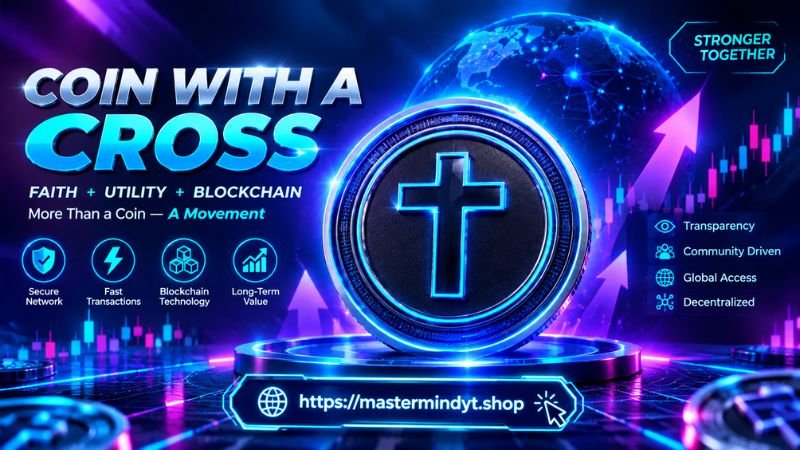
Cryptocurrency logos often carry meaning tied to a project’s mission. The coin with a cross on it has attracted attention among crypto users. CROSS is a cryptocurrency whose branding features a cross-style symbol. This coin with a cross on it also connects with a growing focus on digital ownership for gamers.
Beyond its visual design, the coin with a cross on it represents a blockchain project built around gaming and digital assets. This guide explains how the coin with a cross on it works and explores its role in the crypto market. It also covers why the coin with a cross on it has gained attention across cryptocurrency exchanges.
Why Gaming Focused Blockchains Are on the Rise
Traditional video games are built around a simple reality: players spend time and money acquiring in game items, currencies, or characters, yet the actual ownership of those items legally remains with the game publisher. Blockchain gaming projects have emerged specifically to challenge this model, aiming to give players real, transferable ownership over what they earn or purchase. CROSS positions itself directly within this movement, built from the ground up as infrastructure for on chain games.
1.What Is the Coin With a Cross on It?
CROSS is a gaming optimized Layer 1 blockchain, meaning it operates as its own independent network rather than running on top of another existing blockchain. It is fully compatible with the Ethereum Virtual Machine, commonly referred to as EVM compatibility, which allows developers already familiar with Ethereum based tools, smart contracts, and programming standards to build on CROSS without needing to learn an entirely new system from scratch.
2. How the CROSS Coin Works
The core idea behind CROSS is straightforward: give players genuine ownership of the digital items they earn or acquire while playing games. In game currencies, weapons, skins, and other assets are converted into blockchain based tokens rather than remaining locked within a single publisher’s closed system. This means players can trade, sell, or transfer these items freely, and in some cases even use them across multiple different games built within the CROSS ecosystem.
3. Coin With a Cross on It and Gaming Features
CROSS is designed not just as a blockchain, but as a full suite of tools meant to make it easier for game studios to build Web3 titles. This modular infrastructure includes:
- Software development kits, often referred to as SDKs, that reduce the technical barrier for developers unfamiliar with blockchain systems
- A built in decentralized exchange, allowing in game tokens to remain liquid and easily tradable
- A dedicated bridge system for moving assets between CROSS and other supported blockchain networks
- A non custodial wallet built specifically with gamers in mind, designed to feel more familiar and accessible than typical crypto wallets
4. The CROSS Wallet and Digital Assets
A notable part of the ecosystem is its dedicated wallet, sometimes referred to by its own branded name within the platform. This wallet is designed to lower the barrier of entry for everyday gamers who may not have prior experience with cryptocurrency, offering an onboarding experience that feels closer to a typical gaming app rather than a traditional crypto wallet interface. Because it is non custodial, users retain control over their own private keys and assets rather than relying on a third party to hold funds on their behalf.
5. Tokenomics and Supply Structure
The native CROSS token serves several core functions within the network, including covering transaction fees, referred to as gas, supporting network governance, and enabling staking. The token has a fixed total supply. The project does not plan to mint additional tokens. A significant portion of the supply remains in a growth unlock pool. The project releases these tokens only after it reaches specific development and adoption milestones. This structure aims to prevent sudden market flooding. It also supports a more sustainable long-term growth strategy.
6. Exchange Listings and Market Presence
CROSS has expanded its presence across a number of prominent cryptocurrency exchanges, including major platforms in the industry. This kind of broad exchange availability generally reflects growing recognition and liquidity for a token, since wider listings make it easier for a larger pool of investors and users to access and trade it. Rapid expansion across exchanges is often accompanied by increased trading volume and heightened community attention, both of which have been visible in CROSS’s growth trajectory.
7. Cross Game Interoperability
One ambitious part of the CROSS vision focuses on interoperability between different games. The network could allow players to use items across multiple games. For example, players could earn or purchase an item in one game. They could then use, trade, or sell that item in another game on the same platform.This concept aims to break down the isolated nature of traditional gaming economies, where value earned in one title typically has no use or recognition anywhere else.
8. Security and Transparency Efforts
Given the financial and ownership stakes involved in blockchain gaming platforms, security remains a critical focus for projects like CROSS. The project has engaged with independent security auditing services, including bug bounty programs that reward researchers for identifying vulnerabilities across its blockchain, smart contracts, and web applications. This kind of ongoing security engagement is a common practice among established blockchain projects seeking to build long term trust with both developers and users.
9. Things to Consider Before Exploring CROSS Further
For anyone interested in researching CROSS further, whether as a gamer, developer, or general crypto observer, a few points are worth reviewing:
- The current list of games actively built or onboarding onto the CROSS network
- Trading volume and liquidity across the specific exchanges being considered
- The pace at which the growth unlock pool is being released and its potential effect on token supply
- Ongoing development updates and communication from the project’s founding team and foundation
- General market volatility, since gaming and Web3 focused tokens can experience significant price swings tied to both crypto market sentiment and gaming industry trends
10. Why the Cross Symbol Fits the Brand
CROSS uses a visual identity that reflects its core mission. The project aims to connect players, developers, and games through a shared network. Its cross-shaped logo can suggest connection and intersection.
This design also reflects the project’s goal of linking separate gaming economies. CROSS aims to bring these economies together on one blockchain. Similar branding choices appear across the crypto industry. Many projects use logos to reflect their core ideas and purpose.
Final Thoughts
CROSS aims to solve a long-standing issue in gaming. The project gives players greater ownership of digital items they acquire. It combines a gaming-optimized Layer 1 blockchain with practical tools.
These tools include SDKs, a built-in exchange, and a gamer-friendly wallet. The project aims to make blockchain gaming more accessible. It targets both mainstream players and developers.
Before exploring CROSS further, users should examine its technical foundation. They should also review its tokenomics and development activity. These factors can help users understand its long-term role in the Web3 gaming space.
Visit mastermindyt for more detail