Coin Hat: Crypto Meme Trend & Merch Guide
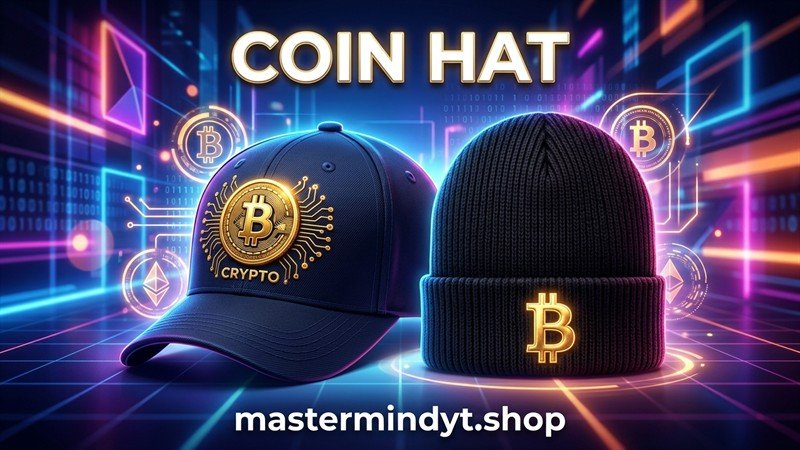
In the high-velocity landscape of cryptocurrency and Web3 culture, viral memes frequently transcend digital boundaries to manifest as real-world fashion statements and cultural touchstones. Among these physical artifacts, the Coin Hat—headwear emblazoned with blockchain logos, mascot art, and viral meme coin motifs—has emerged as a premier symbol of community allegiance, decentralized brand equity, and grassroots marketing. What began as a visual inside joke across online forums has matured into a sophisticated market of tokenized merchandise, phygital apparel authentication, and community-driven commerce.
1. The Cultural Genesis: Why Meme-Themed Apparel Dominates Web3
Cryptocurrency communities operate fundamentally as decentralized tribes. Unlike traditional corporate entities with top-down branding, decentralized protocols rely heavily on organic symbolism and viral memes to establish cultural cohesion and brand identity. From the legendary Bitcoin maximalist caps and early Dogecoin embroidered beanies to the massive cultural breakout of Solana’s dogwifhat (WIF) and Pepe-themed apparel, physical merchandise fulfills several indispensable psychological and strategic functions within Web3 ecosystems:
- Subcultural Signaling: Wearing a Coin Hat signals active participation in a specific blockchain movement without revealing private cryptographic wallet addresses, personal identities, or total portfolio net worth.
- Decentralized Word-of-Mouth Marketing: Every individual wearing project apparel in physical environments becomes an organic brand ambassador, sparking conversations and onboarding curious newcomers into the ecosystem.
- Community Cohesion During Market Cycles: Physical artifacts provide tangible anchors of community unity and resilience during both euphoric bull markets and prolonged macroeconomic drawdowns.
- Collector Status & Provenance: Early-edition merchandise drops often become rare collector items, commanding substantial premiums among dedicated community historians.
2. Technical Architecture: Evolution of Web3 Physical Merchandise
The operational and technical architecture behind crypto merchandise has evolved through three distinct technological generations:
| Generation | Distribution Model | Authentication Mechanism | On-Chain Utility & Collector Value |
|---|---|---|---|
| Gen 1: Legacy Web2 Merch | Centralized print-on-demand & generic dropshipping | None (Physical garment only) | Basic visual brand promotion with zero cryptographic authenticity. |
| Gen 2: Token-Gated Portals | Web3 wallet checkout (Shopify Web3, Helio Pay, Solana Pay) | Wallet snapshot & smart contract balance verification | Exclusive purchase access limited strictly to verified token or NFT holders. |
| Gen 3: Phygital NFC Integration | Cryptographic Near Field Communication microchips | Immutable digital twin (ERC-721/ERC-1155 smart contracts) | Tamper-proof authenticity, verifiable provenance, and digital twin avatar utility in virtual metaverses. |
Modern premium Coin Hats increasingly incorporate encrypted Near Field Communication (NFC) chips sewn directly into the brim or crown panel. When a smartphone interacts with the chip, it triggers an instant cryptographic handshake that queries the blockchain to verify that the item is a certified original produced by the official project treasury, effectively eliminating counterfeit knockoffs and replica dilution.
3. Phygital Technology: How NFC Cryptographic Handshakes Work
The integration of physical garments with cryptographic ledgers represents a quantum leap in apparel authentication. When a user taps an NFC-enabled Coin Hat with an Apple iOS or Android device, the verification follows a deterministic security flow:
- Hardware Interrogation: The smartphone transceiver generates an electromagnetic field that powers the embedded passive NFC silicon tag.
- Dynamic Asymmetric Signature: The microchip generates an asymmetric cryptographic signature using an internal private key that never leaves the chip hardware.
- Smart Contract Proof: The companion decentralized application (dApp) verifies the signature against the public registry contract deployed on Ethereum, Polygon, or Solana.
- Digital Twin Claiming: The verified owner can claim the paired ERC-721 digital twin token directly into their Web3 non-custodial wallet, unlocking exclusive digital wearables in metaverse environments like Decentraland or Sandbox.
4. Economic & Treasury Monetization Models
The monetization pathways powering crypto merchandise programs are designed to create circular economic loops that benefit both creators and token holders:
A. DAO Treasury Reinvestment & Buyback-and-Burn
In decentralized community frameworks, net revenue generated from official apparel sales is channeled directly into community-controlled multi-signature smart contracts (such as Gnosis Safe). These funds are systematically deployed toward:
- Buyback-and-Burn Programs: Purchasing native tokens on decentralized exchanges and routing them to null burn addresses to permanently reduce circulating supply.
- Liquidity Pool Deepening: Pairing merchandise profits with native assets in automated market maker (AMM) liquidity pools to lower trading slippage across decentralized exchanges.
- Ecosystem Grants: Funding graphic designers, meme creators, and frontend developers who expand the project’s digital presence and community toolsets.
B. Creative Commons (CC0) and Decentralized Licensing
A distinctive feature of leading Web3 meme projects is the adoption of Creative Commons Zero (CC0) licensing. By waiving copyright restrictions, projects empower third-party entrepreneurs and independent artisans worldwide to manufacture and distribute Coin Hats freely. This permissionless commercialization creates a viral distribution flywheel, accelerating global brand recognition without relying on a centralized marketing department or corporate licensing red tape.
5. Manufacturing Standards: Assessing Quality vs. Opportunistic Drops
With thousands of generic apparel vendors seeking to monetize trending crypto memes, discerning collectors must evaluate manufacturing quality and construction integrity before purchasing:
- Material Grade & Fabric Weight: Look for heavy-weight 100% combed cotton twill, organic canvas, or structured wool-blend fabrics (350+ GSM) with reinforced sweatbands rather than flimsy synthetic polyester.
- Embroidery & Structural Detailing: High-density 3D puff embroidery, clean edge stitching, custom laser-etched metal buckles, and custom-branded inner seam taping indicate professional craftsmanship.
- Cryptographic Digital Twin: Authentic drops frequently provide a claimable on-chain digital counterpart (NFT receipt) that proves provenance on public block explorers.
- Packaging & Security Seals: Premium apparel releases arrive in serialized, tamper-evident holographic packaging with individual certificate serial numbers.
6. Comparative Analysis of Iconic Web3 Merchandise Drops
To understand the explosive commercial potential of Web3 apparel, consider how milestone merchandise campaigns performed across different blockchain ecosystems:
| Project / Campaign | Apparel Category | Authentication Standard | Cultural & Economic Impact |
|---|---|---|---|
| Uniswap (SOCKS) | Tokenized Physical Socks | Unisocks Bonding Curve Contract | Pioneered dynamic liquidity pricing for physical assets; reached peak secondary valuations over $50,000. |
| dogwifhat (WIF) | Knit Beanies & Snapbacks | Community Drops & CC0 Open Source | Catalyzed multi-billion-dollar meme coin market cap through iconic physical headwear symbolism. |
| Pudgy Penguins | Hats, Hoodies & Plushies | Pudgy World zkSync Digital Passport | Bridged Web3 IP into major global retail chains (Walmart, Target) generating tens of millions in physical sales. |
| Bored Ape Yacht Club | Exclusive Member Headwear | Token-Gated Shopify Web3 Access | Established luxury streetwear partnerships (BAPE, Adidas) accessible exclusively to verified NFT holders. |
7. Step-by-Step Blueprint for Web3 Apparel Launches
For project founders, DAOs, and digital artists planning to launch a physical merchandise collection, following a structured execution framework is essential to avoid common fulfillment pitfalls:
- Community Ideation & Governance Voting: Solicit prototype designs from community artists and run a decentralized Snapshot governance vote to select preferred colorways, silhouettes, and fabric blends.
- Sampling & Quality Control Audits: Order physical factory pre-production samples to rigorously test fit, embroidery precision, wash-fastness, and NFC chip signal durability.
- Smart Contract & Web3 Gateway Deployment: Deploy token-gating plugins and multi-chain crypto payment processors (USDC, USDT, SOL, ETH) that integrate directly with real-time inventory management software.
- Secure Physical-Digital Binding: Encode unique cryptographic keys into embedded NFC tags and register corresponding smart contract tokens before physical distribution.
- Global Logistics & Customs Optimization: Partner with established international fulfillment hubs across North America, Europe, and Asia to ensure reliable tracked shipping and predictable customs handling.
8. Legal, Intellectual Property, and Tax Considerations
Navigating the legal terrain of crypto-themed apparel requires careful attention to intellectual property and tax laws:
- Trademark Verification: Ensure that logo designs do not infringe upon registered commercial trademarks of legacy fashion houses, sports franchises, or corporate enterprises.
- Cryptocurrency Disposal Taxes: In many jurisdictions, purchasing merchandise directly with cryptocurrency is categorized as a taxable barter or capital gains disposal event. Users should maintain accurate transaction records for annual reporting.
- Consumer Protection & Returns: International commerce laws require transparent refund and return policies, even for decentralized organizations and anonymous developer teams.
9. Comprehensive Frequently Asked Questions (FAQ)
What is a Coin Hat in Web3 culture?
A Coin Hat is physical headwear (beanies, caps, snapbacks, bucket hats) customized with the branding, visual memes, or mascots of cryptocurrency protocols and meme coin movements, serving as a physical emblem of digital community membership.
How do token-gated merchandise portals work?
Token-gated storefronts require users to connect their Web3 wallet. The store’s backend checks the connected address for specific token or NFT holdings before unlocking purchase access, ensuring merchandise is reserved exclusively for genuine community members.
What role do embedded NFC microchips play in crypto apparel?
Embedded NFC chips contain cryptographic keys linking the physical garment to an on-chain digital certificate (NFT). Scanning the hat with a mobile device instantly verifies its authenticity, manufacturer origin, and collector provenance on the blockchain.
Can revenue from Coin Hat sales support token price stability?
Yes. When projects direct merchandise proceeds into community DAO treasuries, those funds can be programmatically allocated toward liquidity pool depth, automated token buyback-and-burn mechanisms, and continuous ecosystem development.
How do Creative Commons (CC0) meme assets affect merchandise manufacturing?
CC0 licensing places intellectual property into the public domain, allowing anyone in the community to manufacture and sell branded hats and apparel legally without requiring centralized licensing agreements or paying royalty fees.
How can collectors verify they are buying official project merchandise?
Always verify store URLs through the project’s official documentation, verified smart contract metadata, or official verified social media channels to avoid malicious phishing websites and counterfeit goods.
What happens if the embedded NFC chip gets wet in the washing machine?
Industrial-grade phygital NFC tags are hermetically sealed inside waterproof silicone or thermoplastic capsules, engineered to withstand high temperatures and standard household laundry cycles without degrading chip functionality.
Can I resell my authenticated Coin Hat on secondary NFT marketplaces?
Yes. Many phygital platforms allow owners to trade the on-chain digital twin NFT on secondary marketplaces. The physical hat can either be retained by a secure custodial vault or shipped directly to the new buyer upon physical token redemption.
10. Summary & Future Outlook
The Coin Hat phenomenon exemplifies how decentralized communities bridge the virtual and physical worlds. By uniting viral internet aesthetics with cutting-edge authentication protocols, token-gated commerce, and community-driven treasury models, crypto apparel is establishing a new paradigm for decentralized consumer brands. As physical-digital convergence accelerates, high-quality merchandise will remain an enduring pillar of community building, identity, and brand equity across the blockchain ecosystem.